Uncategorized
Pharmacy NNN Properties in 2026: Navigating Cap Rate Divergence and Tenant Risk
4 min read
Pharmacy NNN Properties in 2026: Navigating Cap Rate Divergence and Tenant Risk
For decades, pharmacy and drug store chains represented some of the most coveted assets in the net lease investment universe. Long lease terms, investment-grade tenants, and recession-resistant business models made CVS, Walgreens, and Rite Aid synonymous with passive income and stability. In 2026, however, the landscape has shifted considerably — and investors who understand the nuances of this repriced sector stand to find compelling opportunities amid the complexity.
A Sector in Transition
The pharmacy NNN space has undergone one of the most dramatic revaluations of any single-tenant asset class over the past several years. Rising interest rates, evolving retail pharmacy economics, and diverging credit profiles among the major chains have collectively forced the market to reassign risk premiums in ways that were largely unimaginable during the low-rate era of the early 2020s.
Where pharmacy NNN assets once traded at cap rates clustered tightly together regardless of tenant, investors in 2026 are now making much sharper distinctions between operators. The result is a market defined by meaningful cap rate divergence — a dynamic that creates both risk and opportunity depending on the tenant, lease structure, and location in question.
Walgreens: Elevated Cap Rates Reflect Repriced Risk
Walgreens assets have experienced the most pronounced repricing of the three major pharmacy chains. Cap rates on Walgreens NNN properties have climbed to multi-year highs, reflecting a broader reassessment of the company’s creditworthiness and long-term operational trajectory. Store closures, ongoing restructuring initiatives, and pressure on front-end retail revenues have all contributed to investor caution.
For opportunistic buyers, these elevated cap rates may represent attractive entry points — particularly for well-located properties with strong real estate fundamentals and healthy lease terms remaining. The key due diligence question is whether the underlying real estate can support alternative tenancy if needed, providing a backstop against tenant credit concerns.
CVS: Relative Stability Commands a Premium
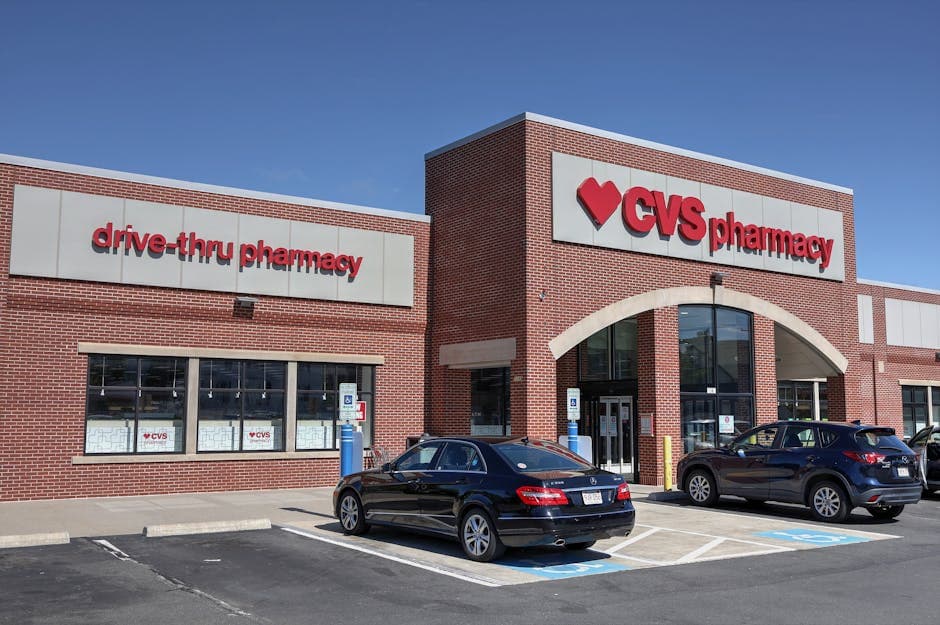
In contrast to its primary competitor, CVS has maintained stronger investor confidence in the NNN marketplace. Its more diversified healthcare services model — encompassing pharmacy benefit management, MinuteClinic locations, and health insurance operations — has helped position CVS as the more creditworthy pharmacy tenant in the eyes of many net lease investors. As a result, CVS NNN properties continue to trade at comparatively tighter cap rates, reflecting the premium the market assigns to perceived stability.
Rite Aid: A Cautionary Chapter
Rite Aid’s well-documented financial difficulties serve as a sobering reminder of the importance of tenant credit analysis in any NNN acquisition. Properties leased to Rite Aid have faced the most significant pricing pressure of the three major chains, with many investors requiring substantial yield premiums to compensate for elevated credit risk. For investors who acquired these assets at peak pricing, the experience underscores why real estate fundamentals and re-leasing potential must always be evaluated alongside the strength of the tenant covenant.
What Investors Should Evaluate in 2026
Given the current environment, a disciplined framework is essential when evaluating pharmacy NNN acquisitions. Key considerations include:
- Remaining lease term: Longer absolute net leases with strong tenants remain the most liquid and desirable assets in this category.
- Tenant credit profile: Investment-grade ratings and demonstrated financial health should carry significant weight in underwriting.
- Location quality: Corner sites, high-traffic corridors, and infill suburban markets provide the greatest optionality if re-tenanting becomes necessary.
- Rent-to-sales ratios: Understanding whether a pharmacy location is operationally viable for the tenant helps assess lease renewal probability.
- Lease structure: True NNN leases with limited landlord obligations and built-in rent escalations offer the most favorable risk-adjusted cash flow profiles.
The Bigger Picture for Net Lease Investors
The pharmacy NNN sector in 2026 is no longer a monolithic asset class. It is a nuanced spectrum of risk and reward, shaped by tenant-specific credit stories, real estate quality, and the broader evolution of how Americans access healthcare and pharmacy services. Investors who apply rigorous underwriting standards — and who distinguish between distressed pricing and genuine value — are best positioned to capitalize on what remains a highly liquid and widely traded corner of the net lease market.
At Triple Net Direct, we provide investors with the market intelligence and deal flow needed to navigate sectors like pharmacy NNN with confidence. Understanding where cap rates are today — and why — is the foundation of every sound net lease investment decision.
Sources
- CoStar Group — NNN Pharmacy Sector Cap Rate Trends (https://www.costar.com)
- Boulder Group — Net Lease Pharmacy Research Reports (https://www.bouldergroup.com)
- CBRE — Net Lease Investment Market Outlook 2026 (https://www.cbre.com)
- Marcus & Millichap — Single-Tenant Net Lease Research (https://www.marcusmillichap.com)
- S&P Global Ratings — Walgreens and CVS Credit Profiles (https://www.spglobal.com)
Ready to put this into practice?
Browse hundreds of off-market NNN properties, or talk to our team about your 1031 exchange timeline.