Uncategorized
What Cap Rate Should You Expect for NNN Properties in 2026?
4 min read
Cap rates remain one of the most important metrics in evaluating triple net (NNN) investments, yet many investors entering the market in 2026 misunderstand what they should realistically expect.
With increased demand for passive income real estate and a limited supply of high-quality assets, cap rates are no longer just a reflection of yield. They are a direct reflection of tenant strength, lease structure, location, and overall risk.
Understanding where cap rates stand today, and what drives them, is critical to making informed investment decisions.
What Is a Cap Rate in Net Lease Investing
The capitalization rate, or cap rate, represents the relationship between a property’s net operating income and its purchase price.
In the net lease space, cap rate is often viewed as a proxy for:
- Risk level
- Tenant quality
- Lease stability
- Market demand
Lower cap rates typically indicate stronger, more secure investments, while higher cap rates suggest increased risk or less desirable characteristics.
Where Cap Rates Stand in 2026
In 2026, the NNN market is defined by a wide spread between premium assets and higher-yield opportunities.
General trends include:
Lower Cap Rate Range
Typically associated with:
- Investment-grade or nationally recognized tenants
- Long-term leases
- Prime real estate locations
These assets are often targeted by institutional buyers and 1031 exchange investors seeking stability and preservation of capital.
Mid-Range Cap Rates
Often tied to:
- Strong regional or franchise operators
- Moderate lease terms
- Solid but not top-tier locations
These deals can offer a balance between yield and stability, making them attractive to a broad range of investors.
Higher Cap Rate Opportunities
Generally include:
- Shorter lease terms
- Secondary or tertiary markets
- Tenants with less established operating history
While these assets may offer higher returns, they also require more careful underwriting and risk assessment.
How Tenant Quality Impacts Cap Rate
Tenant strength is one of the biggest drivers of pricing in the net lease market.
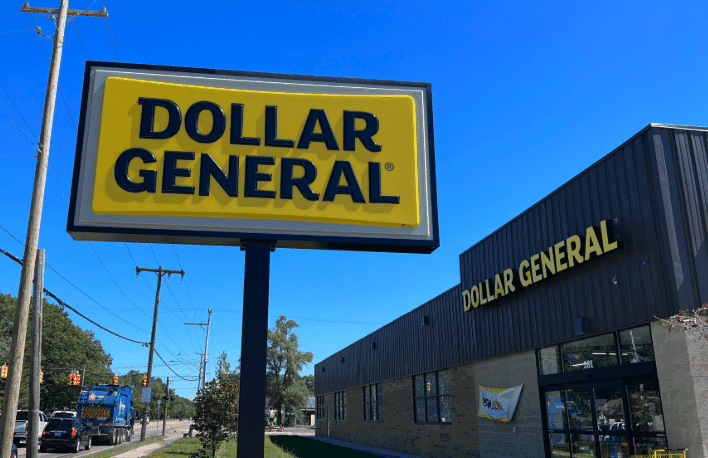
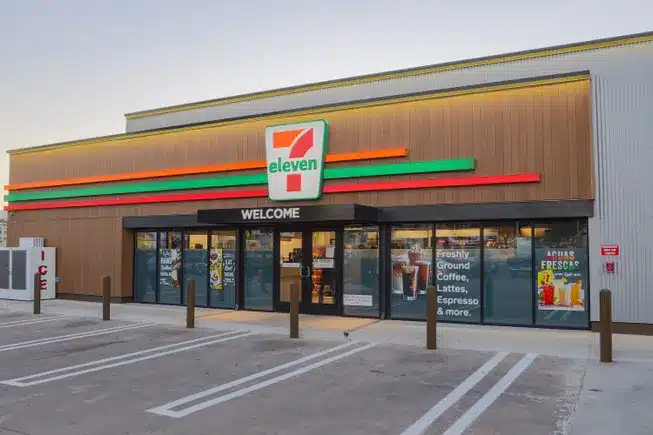
Assets leased to nationally recognized brands such as:
- Starbucks
- CVS
- Dollar General
- 7-Eleven
…typically command lower cap rates due to perceived reliability and consistent performance.
The market places a premium on tenants that generate frequent customer traffic and maintain strong brand recognition.
Lease Term and Structure Matter
Beyond the tenant itself, lease structure plays a major role in determining cap rate.
Key factors include:
- Remaining lease term
- Rent escalation structure
- Responsibility for expenses (NN vs NNN)
Longer lease terms with built-in rent increases generally lead to lower cap rates, as they provide predictable income over an extended period.
Location Still Drives Value
Even in a tenant-focused asset class like net lease, location remains a critical factor.
Properties in:
- High-traffic retail corridors
- Growing suburban markets
- Areas with strong demographics
…tend to command stronger pricing and lower cap rates.
Conversely, assets in less desirable locations may trade at higher yields to compensate for increased risk.
Interest Rates and Market Conditions
Macroeconomic conditions continue to influence cap rates across all asset classes.
In 2026, investors are navigating:
- Elevated borrowing costs
- Increased focus on cash flow
- Greater selectivity in acquisitions
These factors have created a more disciplined environment where pricing is closely tied to fundamentals rather than speculation.
Why Cap Rate Alone Is Not Enough
One of the most common mistakes investors make is focusing solely on cap rate when evaluating NNN deals.
A higher cap rate does not always mean a better investment.
Investors should also consider:
- Tenant credit and performance
- Lease duration and terms
- Real estate fundamentals
- Exit strategy
A well-located property with a strong tenant at a lower cap rate may outperform a higher-yield deal with greater risk over the long term.
How Investors Are Adjusting in 2026
As the market evolves, investors are becoming more strategic in how they evaluate cap rates.
Current trends include:
- Prioritizing tenant quality over yield
- Expanding into secondary markets for better returns
- Seeking properties with long-term upside potential
- Focusing on income stability over short-term gains
This shift reflects a more mature and disciplined approach to net lease investing.
Final Thoughts
Cap rates in the NNN market are not static. They are shaped by a combination of tenant strength, lease structure, location, and broader economic conditions.
In 2026, investors should expect a competitive landscape where high-quality assets command premium pricing, while higher-yield opportunities require deeper analysis and risk tolerance.
Understanding what drives cap rates, rather than simply chasing them, is key to building a successful and sustainable net lease investment strategy.
Ready to put this into practice?
Browse hundreds of off-market NNN properties, or talk to our team about your 1031 exchange timeline.